



Why Investors Should Reconsider Energy Stocks: The Case of Coterra Energy
The energy market has always been a tumultuous landscape for investors, but the stakes have never seemed higher than they do this July. Amidst growing risks, Coterra Energy (CTRA), a mid-cap entity in the oil and natural gas sector, serves as a cautionary tale about the lurking vulnerabilities in energy stocks. Historical performance data, technical indicators, and macroeconomic factors converge to signal a bearish outlook for oil stocks this summer. Here’s an in-depth look at the reasons for investors to be wary.
<h2>The Historical Performance Dilemma: A Troubling July Track Record</h2>
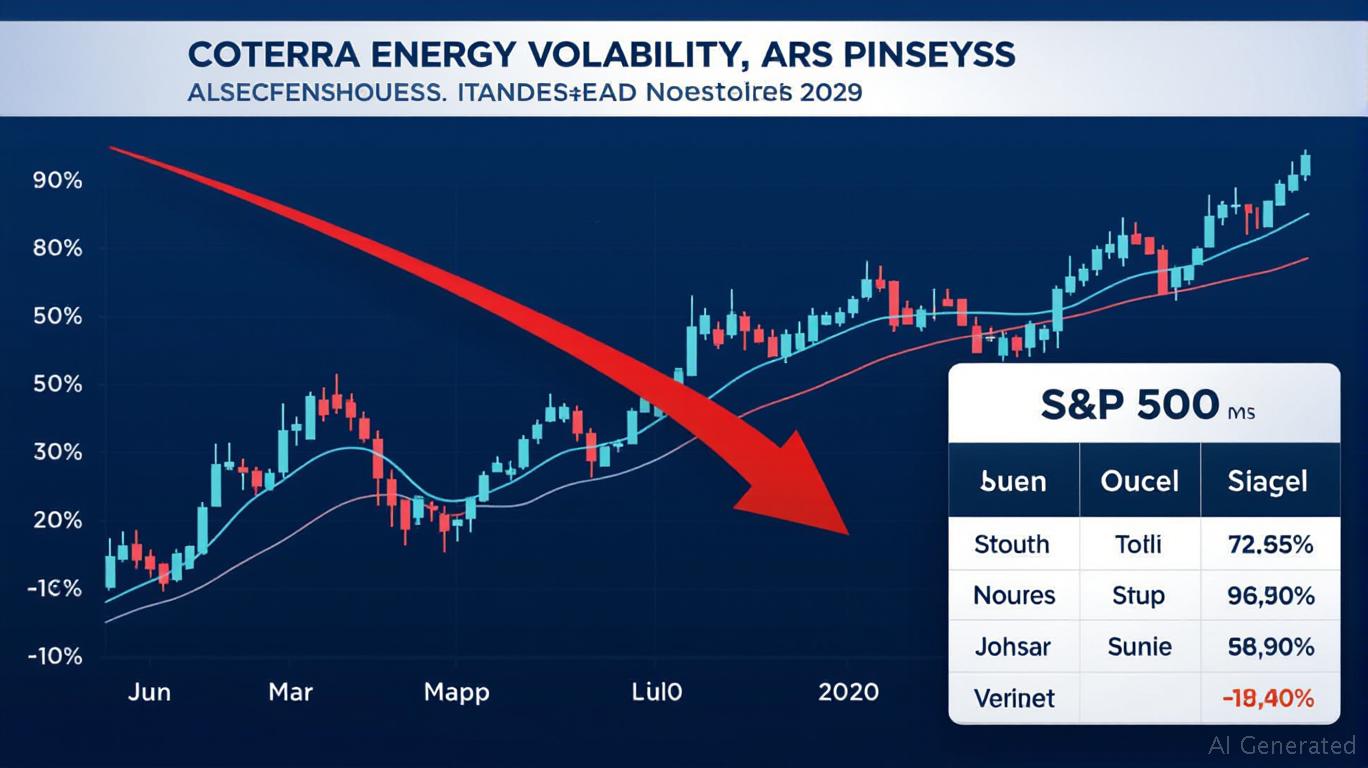
<p>Coterra Energy's historical performance during July is particularly concerning. Over the past decade, CTRA has delivered a disappointing total return of just <strong>28.52%</strong>, which starkly contrasts with the S&P 500's impressive <strong>252.82%</strong> return. The annualized return of CTRA stands at only <strong>2.52%</strong>, significantly lagging behind the S&P 500’s 13.32%. Historically, July has been a challenging month for CTRA, often serving as a drag on performance.</p>
<p>To illustrate this trend, consider the following July performance snapshots:<br/>
- In 2016, CTRA experienced a 5.16% uptick, an anomaly in an otherwise dismal lineup.<br/>
- By 2023, however, July reflected a troubling <strong>-1.3% decline</strong>, with preliminary data for 2024 hinting at stagnation.<br/>
- To exacerbate matters, the Energy Select Sector SPDR Fund (XLE) has trailed the S&P 500 over the last decade, clocking in a mere 62.9% return compared to the broader market's breathtaking 290.6%.</p>
<p>The absence of a competitive edge combined with the cyclical nature of the energy sector intensifies the risks faced by CTRA. With no robust economic moat, Coterra's future profitability largely hinges on the unpredictable fluctuations of oil prices.</p>
<h2>Technical Indicators Suggest a Bearish Outlook</h2>
<p>A closer examination of technical indicators presents a sobering picture for CTRA. Key metrics signal a bearish outlook:</p>
<ol>
<li><strong>Declining Momentum:</strong> CTRA's 200-day moving average (DMA) has steeply declined since early 2024, while its Relative Strength Index (RSI) remains in oversold territory (below 30).</li>
<li><strong>Failed Resistance:</strong> In June 2025, CTRA struggled to maintain levels above its 50-day moving average, indicating a classic bearish signal.</li>
<li><strong>Sector Weakness:</strong> The XLE’s five-year negative return of -26.8% highlights ongoing structural issues within the sector.</li>
</ol>
<p>Furthermore, the energy sector now constitutes a mere 4.87% of the S&P 500, marking its lowest allocation since 1990. This dwindling proportion suggests a pronounced decline in investor confidence, with funds increasingly shifting towards tech and healthcare sectors, leaving oil stocks in a precarious situation.</p>
<h2>Macroeconomic Factors: A Convergence of Challenges</h2>
<p>Three significant macroeconomic elements threaten to pressure energy stocks this July:</p>
<h3><strong>1. Geopolitical Unrest</strong></h3>
<p>Ongoing conflicts in the Middle East and escalating tensions in U.S.-China relations pose risks to oil supply chains. While spikes in oil prices could initially appear favorable, sustained geopolitical instability often results in broader market sell-offs, adversely affecting sector performance.</p>
<h3><strong>2. Uncertainty Surrounding Fed Rates</strong></h3>
<p>The Federal Reserve's stance of maintaining elevated borrowing costs poses additional pressure. Companies like CTRA, which are encumbered by significant debt (including $1 billion in term loans), face rising interest expenses that could inhibit growth.</p>
<h3><strong>3. Consumer Spending Pressures</strong></h3>
<p>Fluctuating oil prices also threaten consumer purchasing power. The discretionary spending sector is already under duress from inflation, which likely diminishes demand for energy-linked stocks and compounds the overall decline.</p>
<h2>Investment Strategies: Focus on Defensives</h2>
<p>For investors currently holding CTRA or similar energy stocks, consider the following strategic shifts:</p>
<ol>
<li><strong>Reduce Exposure:</strong> Decrease CTRA holdings and rebalance your portfolio towards more resilient stocks, such as renewable energy companies like <a target="_blank" data-code="NEE" data-position="stock.3" data-marketid="169" data-stockname="NextEra" data-type="stock" href="#*f:NEE:sc*#">NextEra Energy</a> (NEE).</li>
<li><strong>Short the Sector:</strong> Consider using inverse ETFs like the ProShares UltraShort Oil & Gas (DSO) to profit from expected declines.</li>
<li><strong>Defensive Investing:</strong> Transition to utilities (e.g., NextEra Energy), healthcare (e.g., Johnson & Johnson (JNJ)), or gold miners (e.g., <a target="_blank" data-code="NEM" data-position="stock.5" data-marketid="169" data-stockname="Newmont" data-type="stock" href="#*f:NEM:sc*#">Newmont</a> (NEM)), which typically perform better in volatile market conditions.</li>
</ol>
<h2>Conclusion: Proceed with Caution in July</h2>
<p>Coterra Energy's ongoing underperformance is no mere coincidence—it's indicative of a broader trend. With technical indicators pointing downward, macroeconomic challenges surging, and structural issues within the energy sector, July 2025 is shaping up to be a challenging month for oil stocks. Investors would be prudent to <strong>refrain from pursuing CTRA's momentum</strong> and instead pivot to sectors that offer greater stability. The days of triumph in the energy market may be behind us—until the next potential supercycle emerges.</p>
<p><em>Stay alert and focused on profitability.</em></p>