



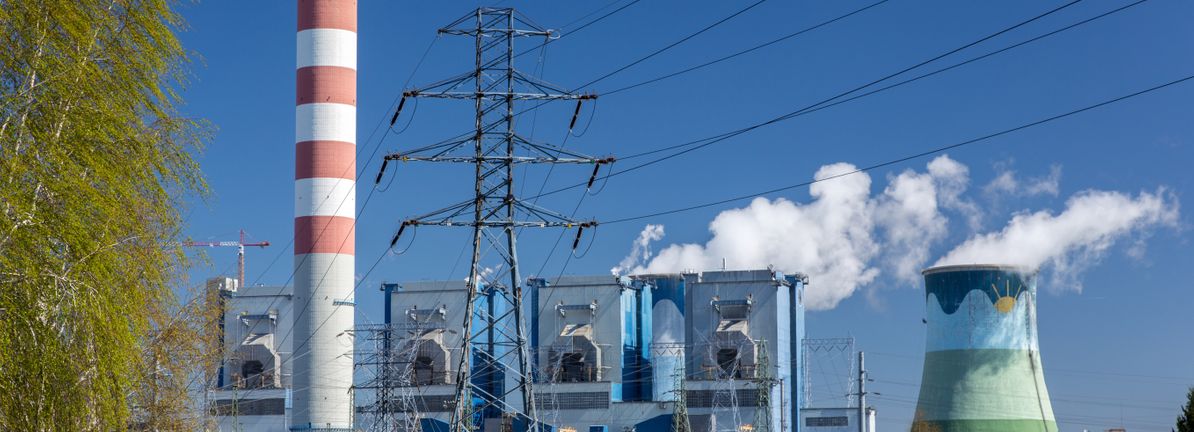
The Future of AES Stock: A Potential Turnaround or Continued Struggles?
If you’re analyzing NYSE:AES stocks, it’s natural to question whether the company is on the verge of a rebound or if ongoing challenges will persist. In recent weeks, NYSE:AES‘s share price has shown a positive shift, climbing 9.7% in the past week and 6.6% over the last month. While these short-term gains are promising, they cannot overshadow the significant dips seen over the past year, with the stock currently down by 20.9%. Furthermore, its performance over the past three years reveals an even steeper decline.
Investor Sentiment and Market Dynamics
Investors have been paying close attention to NYSE:AES’s moves as it adapts to global shifts in energy demand and the growing emphasis on sustainable energy sources. These industry-wide changes have sparked renewed optimism about NYSE:AES’s future, but risks remain. The key question is whether this momentum signals a sustainable recovery or just a temporary uptick.
Valuation Metrics: Understanding AES’s Stock Potential
NYSE:AES currently scores a favorable 5 out of 6 on the valuation scale, suggesting it is undervalued across nearly all measured metrics. This rating is unusual for a stock that combines short-term gains with long-term underperformance, raising the possibility of hidden value.
Deep Dive: Discounted Cash Flow (DCF) Analysis
The Discounted Cash Flow (DCF) analysis estimates value based on future cash flows, discounted to today’s terms. Using a two-stage Free Cash Flow to Equity model:
- Current Free Cash Flow: -$3.03 billion
- Projected by 2028: $1.38 billion
- Intrinsic Value: $19.28 per share
This indicates AES is trading at about a 25.9% discount to its intrinsic value.
Price-to-Earnings (PE) Ratio Insights
AES’s current PE ratio is 11.1x, compared to:
- Renewable Energy industry average: 16.0x
- Peer group average: 56.9x
This shows AES is significantly undervalued. According to Simply Wall St’s “Fair Ratio,” AES should trade closer to a 29.1x PE, suggesting the market may be underestimating the company’s potential.
Creating Your Investment Narrative for NYSE:AES
Valuation can also be framed through investment narratives, where expectations about NYSE:AES’s future shape perceived value:
- Optimistic investors may value AES closer to $23 due to renewable energy growth.
- Cautious investors may value it around $5, citing risks.
These differing narratives highlight how personal outlook can influence investment decisions.
Conclusion: Weighing Risks and Opportunities
NYSE:AES stock’s recent uptick, combined with evidence of undervaluation, points to potential opportunities. However, risks from energy market transitions and ongoing volatility must be weighed carefully. For investors, the path forward lies in balancing quantitative analysis with a personal narrative about NYSE:AES’s future role in the clean energy shift.
More about what $AES does:
AES Corporation is a global energy company headquartered in Arlington, Virginia. Its business centers around generating and distributing electricity, with a strong focus on the transition to cleaner energy. Here’s a breakdown of what AES does:
1. Power Generation
- Operates a large portfolio of power plants worldwide.
- Historically focused on coal and natural gas, but shifting aggressively into renewable energy.
- Key assets include wind, solar, hydroelectric, and battery storage projects.
2. Utilities & Distribution
- Runs regulated electric utilities in the U.S. (notably in Indiana and Ohio) and in international markets like Latin America.
- Supplies electricity to millions of residential, commercial, and industrial customers.
3. Renewable Energy & Storage
- A leading player in renewables development: building solar farms, wind farms, and large-scale battery storage systems.
- Has partnerships with big corporations (e.g., Google, Amazon, Microsoft) to provide clean energy for data centers and sustainability goals.
4. Decarbonization & Innovation
- Actively retiring coal plants and replacing them with cleaner alternatives.
- Invests in green hydrogen, smart grids, and digital energy solutions.
- Sees growth in enabling corporate power purchase agreements (PPAs) for companies transitioning to 100% renewable power.